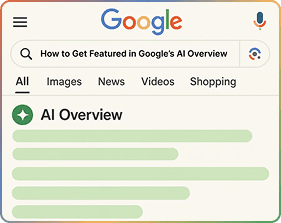
Everyone is writing about generative engine optimization. Far fewer are actually doing it. That has left many marketers, founders, and SEO professionals asking the same question: Is GEO a practical strategy or another industry buzzword?
As buyers increasingly use ChatGPT, Perplexity, Google Gemini, and Google AI Overviews to research products, compare providers, and evaluate solutions, search visibility extends beyond traditional rankings. Businesses now need content that can be understood, cited, and surfaced across AI-powered search experiences.
This guide takes a practitioner-first approach to generative engine optimization. It explains what GEO is, how it differs from traditional SEO, what practitioners are testing today, and what current evidence suggests about improving visibility in AI-generated answers. Rather than replacing SEO, GEO builds on proven search fundamentals by adding another layer of optimization for modern search.
What Is Generative Engine Optimization (GEO)?
Generative engine optimization (GEO) is the practice of optimizing content to appear in AI-generated answers from large language models (LLMs) and AI search engines such as ChatGPT, Perplexity, Google Gemini, and Google AI Overviews. Rather than focusing only on traditional search rankings, GEO helps AI systems understand, summarize, and cite your content when responding to user queries.
The term originated from a 2023 academic paper published on arXiv that introduced the concept of optimizing content for generative search systems. Since then, GEO has evolved from an academic concept into a practical approach as AI-powered search becomes a larger part of how people research products, services, and solutions.
Unlike traditional search, AI platforms do more than retrieve webpages. They generate answers by synthesizing information from multiple sources. As a result, visibility is no longer determined solely by where a page ranks. It also depends on whether AI systems consider the content accurate, well-structured, and trustworthy enough to reference.
GEO addresses that shift by helping businesses create content that performs well in both traditional search results and AI-generated search experiences. It also complements a broader AI search optimization strategy focused on improving visibility across modern search.
Although the concepts overlap, they serve different purposes:
- Traditional SEO: Optimizes webpages for search engine crawlers using keyword relevance, technical SEO, crawlability, backlinks, and page authority to improve rankings and organic traffic.
- Answer Engine Optimization (AEO): Focuses on helping content appear in featured snippets, voice assistants, and other direct-answer experiences.
- Generative Engine Optimization (GEO): Builds on traditional SEO by optimizing content so large language models can accurately interpret, summarize, and cite it within AI-generated responses.
GEO does not replace SEO. Instead, it adds another optimization layer that helps brands remain discoverable as AI-generated answers become a larger part of the customer journey.
How Does GEO Differ from Traditional SEO?
Generative engine optimization builds on traditional SEO by preparing content for AI-generated search experiences alongside traditional search results. Traditional SEO focuses on improving keyword relevance, technical SEO, crawlability, backlinks, page authority, and click-through performance. GEO extends those foundations by increasing the likelihood that AI platforms can identify, summarize, and cite your content when generating answers.
The difference is not the foundation. Instead, it is the objective. Traditional SEO is designed to help webpages rank and earn clicks, while GEO also helps large language models understand, extract, and reference information accurately. That means creating content that answers specific questions directly, uses structured formats such as definitions, comparison tables, FAQs, and lists, provides clear, quotable explanations, and maintains consistent brand information across authoritative sources so AI systems can confidently recognize and reference your business.
| Traditional SEO | Generative Engine Optimization (GEO) |
| Optimizes keyword relevance, technical SEO, crawlability, backlinks, and page authority | Builds on SEO with structured, quotable content designed for AI-generated answers |
| Focuses on rankings and click-throughs from search results | Focuses on citations and visibility within AI-generated responses |
| Measures rankings, organic traffic, and conversions | Also evaluates AI citations, AI referral traffic, and brand visibility across AI platforms |
| Helps search engines discover and rank webpages | Helps large language models interpret, summarize, and reference content accurately |
Traditional SEO and GEO are complementary strategies. Strong technical SEO and authoritative content remain the foundation, while GEO adds another layer that helps brands remain visible as AI-powered search becomes a larger part of how people research products, services, and solutions. These principles are reflected across our services, where traditional SEO and AI search visibility work together as part of a unified search strategy.
What Does Generative Engine Optimization Actually Look Like in Practice?
In practice, generative engine optimization becomes valuable when it moves beyond definitions and into implementation.
From a practitioner perspective, GEO is not about replacing an existing SEO strategy or chasing a new ranking factor. It focuses on making high-quality content easier for AI systems to understand, summarize, and reference.
From our experience, many of the same fundamentals that support strong SEO still matter, such as technical health, topical authority, and helpful content. The difference is how information is structured, how clearly it answers user intent, and how consistently a brand demonstrates expertise across the web.
Structuring Content for AI Visibility
Content that is more likely to appear in AI-generated answers typically:
- Answer the primary question within the opening section instead of delaying the response.
- Uses descriptive headings, definitions, comparison tables, FAQs, and lists to organize information logically.
- Covers related questions within the same topic to strengthen topical authority.
- Supports claims with credible sources or first-hand expertise where appropriate.
- Maintains consistent business information and brand messaging across the website and authoritative third-party sources.
Rather than publishing multiple short articles on closely related topics, practitioners increasingly create comprehensive resources that explore a topic from multiple angles. This gives AI systems more context to generate accurate summaries and recommendations.
Monitoring AI Visibility
Unlike traditional SEO, GEO also requires monitoring how AI platforms represent your brand.
A practical workflow starts by searching your brand name, products, services, and target topics in ChatGPT, Perplexity, Google Gemini, and Google AI Overviews. Review whether your business is mentioned, how it is described, and which competitors or sources are referenced instead. These observations can reveal content gaps and opportunities to strengthen topical coverage.
In Google Analytics 4 (GA4), monitor referral traffic from AI platforms such as Perplexity, Claude, and ChatGPT alongside broader traffic trends. While AI referrals are still an emerging metric, they provide useful directional insight into how AI-powered search contributes to website visibility.
Practitioner Observations
[Insert verified Rise Peak Digital observations or anonymized client examples demonstrating AI referral traffic, AI-generated citations, Google AI Overview visibility, or measurable improvements after implementing GEO.]
Real-world observations are what distinguish practitioner-led GEO from theory. Verified examples of AI visibility, referral traffic, or client outcomes will strengthen this section by showing how GEO performs in practical marketing environments rather than relying solely on best practices.
The GEO Signals That Actually Matter
While the exact signals used by AI systems are not publicly disclosed, practitioners consistently observe that AI-generated answers favor content that is clear, well-structured, and supported by credible expertise.
- Direct answers to specific questions: Answer the user’s primary question early before expanding into supporting details. This makes content easier for both readers and AI systems to interpret.
- FAQ schema and structured data: Structured data helps search engines better understand page content and provides additional context for AI-powered search experiences.
- Consistent brand mentions: Keep your company name, services, and messaging consistent across your website and authoritative third-party publications to reinforce brand recognition and trust.
- Clear attribution: Attribute content to qualified authors and clearly identify your company throughout the page. This strengthens expertise, authority, and source credibility.
- Quotable content: Write concise, self-contained explanations that communicate a complete idea in one or two sentences. These passages are easier for AI systems to summarize and reference accurately.
These signals complement technical SEO and structured content strategies, forming the foundation of Rise Peak’s AI search optimization services for improving visibility across traditional search and AI-generated answers.
Is GEO Replacing SEO?
No. Generative engine optimization builds on traditional SEO rather than replacing it.
Technical SEO, crawlability, high-quality content, topical authority, and backlinks remain essential because search engines still use these signals to evaluate webpages. In many cases, Google AI Overviews also cite content that already performs well in organic search, making strong SEO the foundation for effective GEO.
GEO adds another layer of optimization. Instead of focusing only on rankings and clicks, it also helps AI systems understand, summarize, and reference your content in generated answers.
The real risk isn’t investing in SEO. It’s relying on rankings alone while overlooking AI visibility. As more users begin their research in Google AI Overviews, ChatGPT, Perplexity, and other AI-powered search experiences, brands that are absent from those responses may lose visibility even if they continue to rank well organically.
Preparing for the Future of Search
As AI-powered search continues to evolve, businesses that combine strong SEO fundamentals with generative engine optimization will be better positioned to earn visibility across both traditional search results and AI-generated answers. Rather than replacing SEO, GEO expands how brands build authority and remain discoverable as search continues to change.
We help brands build visibility across traditional search and AI-generated answers. Here is how.
Frequently Asked Questions
What is generative engine optimization (GEO)?
Generative engine optimization (GEO) is the practice of optimizing content to appear in AI-generated answers from large language models (LLMs) and AI search tools such as ChatGPT, Perplexity, Google Gemini, and Google AI Overviews. Unlike traditional SEO, which focuses on improving rankings in search engine results, GEO focuses on helping AI systems understand, summarize, and cite content within generated responses. It also differs from Answer Engine Optimization (AEO), which primarily focuses on featured snippets, voice assistants, and other direct-answer experiences rather than AI-generated search.
Is GEO the same as AI SEO?
No. While the terms overlap, they are not the same. AI SEO broadly refers to using AI tools to support SEO workflows, including keyword research, content creation, technical analysis, and optimization. GEO is more specific because it focuses on optimizing content so it can be understood, summarized, and cited within AI-generated answers from platforms such as ChatGPT, Perplexity, Google Gemini, and Google AI Overviews.
How do I know if my content is appearing in AI search results?
Start by searching your brand name and target topics in ChatGPT, Perplexity, Google Gemini, and Google AI Overviews to see whether your content is being referenced. Then review Google Analytics 4 (GA4) for referral sources such as ai.perplexity.ai, chat.openai.com, and claude.ai, which can indicate traffic from AI-powered search experiences. Combining manual searches with GA4 data provides the clearest picture of your current AI search visibility.
Does GEO work for small businesses and agencies?
Yes. Although larger websites often have stronger authority, GEO is not limited to high-domain-authority brands. Smaller businesses and agencies can earn visibility in AI-generated answers by publishing authoritative, well-structured content that clearly answers niche topics, demonstrates expertise, and maintains consistent brand information across trusted sources. Clarity, relevance, and topical authority often matter more than scale alone.
What type of content gets cited in AI Overviews?
Google AI Overviews commonly reference content that answers specific questions directly, uses structured formats such as FAQs, how-to guides, comparison tables, and definitions, and includes clear schema markup where appropriate. Content written by credible authors, supported by evidence, and organized with descriptive headings is generally easier for AI systems to understand and cite accurately.
Is generative engine optimization replacing SEO?
No. Generative engine optimization builds on traditional SEO rather than replacing it. Organic rankings, technical SEO, backlinks, and topical authority continue to drive significant search visibility, and Google AI Overviews frequently reference authoritative content that already performs well in search results. The most effective long-term strategy combines strong SEO fundamentals with GEO to improve visibility across both traditional search and AI-generated answers.